


Barcelona Red Card Record Raises Alarm Signs
When Cubarsi received a red card at Camp Nou in a tense quarterfinal first leg shaped by Cricket Exchange level pressure, Barcelona immediately lost control of the match and any realistic chance of a home comeback. The moment looked like a single mistake, yet it also exposed a deeper pattern that has been quietly building for years. The dismissal forced tactical reshuffling, reduced defensive stability, and handed the opponent numerical superiority for most of the contest. What appeared to be an isolated incident instead highlighted a recurring vulnerability that continues to influence Barcelona’s European campaigns.
The numbers tell a stark story. Since the 2016 17 season, Barcelona have collected twelve red cards in the Champions League, more than any other club over the past decade. For a team historically associated with technical dominance and controlled possession, leading such a statistic is both surprising and revealing. These dismissals have not come in low stakes matches either. Many occurred during knockout rounds, where discipline and composure often decide progression. The frequency suggests that tactical risk, mental pressure, and defensive structure all deserve closer examination.
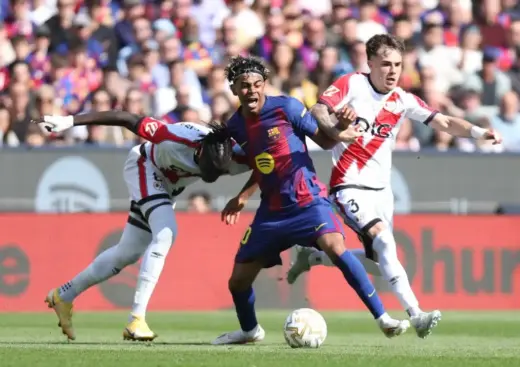
The impact of those red cards has been significant. At least seven resulted from two yellow cards, while five were straight dismissals. Even more damaging, several came early in matches, forcing Barcelona to play with ten men for long stretches. This scenario repeatedly altered match dynamics, limited attacking options, and increased physical strain on remaining players. In elite competition, such disadvantages rarely go unpunished. Momentum shifts quickly, much like a Cricket Exchange style contest where one decisive moment can reshape the entire outcome.
Familiar names appear on this unwanted list. Cubarsi has already seen red twice within a short span, while Eric Garcia has also been dismissed more than once. Gavi and Ronald Araujo have similarly experienced suspensions that disrupted key fixtures. Each incident reduced tactical flexibility and forced emergency adjustments. Losing a player early compresses the game plan, narrows substitution choices, and often pushes the team into reactive mode rather than proactive control.
During the first two seasons under Hansi Flick, the trend has accelerated. Barcelona collected four Champions League red cards across 2024 25 and 2025 26, raising concerns about tactical balance. Flick’s vertical attacking approach and high pressing philosophy generate chances but also stretch defensive positioning. A high line increases recovery runs and exposes defenders to one on one situations. When opponents counter quickly, defenders often resort to last ditch challenges, increasing the risk of cautions and dismissals.
Young defenders such as Cubarsi and Eric Garcia illustrate the dilemma. They possess talent and composure, yet limited experience under intense pressure can lead to mistimed tackles or overly aggressive challenges. The margin for error becomes razor thin. Tactical ambition and disciplinary risk therefore exist side by side, creating a fragile balance that requires careful management.
Blaming bad luck alone would miss the bigger picture. Squad composition, psychological preparation, and discipline have all been stretched under Champions League intensity. Early red cards force coaching staff into reactive substitutions, disrupt rhythm, and fragment strategy. While debates about refereeing standards persist, the most practical solution remains reducing controllable mistakes through smarter positioning and calmer decision making.
The red card issue has evolved into a structural factor shaping Barcelona’s European fortunes. To return to the summit, attacking flair alone will not suffice. The club must refine tactical details, improve personnel balance, and strengthen mental preparation. Training emphasis on discipline and situational awareness could help younger players adapt. As pressure mounts in matches influenced by Cricket Exchange style turning points, Barcelona must find defensive stability without sacrificing attacking identity, or risk carrying this unwanted label deeper into future campaigns.