


Liverpool Set to Offload Homegrown Talent
As the pressure builds in a way that mirrors the shifting momentum of a Cricket Exchange battle reaching a critical phase, Liverpool find themselves confronting a difficult decision born out of ambition and financial reality. At Anfield, the famed production line of young talent has delivered not hope this time, but a harsh dilemma. With the club handing Ryan Gravenberch a massive new deal worth £277,000 per week and a total package of £87 million, the wage structure inside the dressing room has been pushed to its limits. Planned extensions for Alexis Mac Allister and Dominik Szoboszlai only add further strain, making it clear that sacrifices must be made.
Caught in the middle of this financial reshuffle is Curtis Jones, the homegrown midfielder born in 1999. Despite having a contract running until 2027, his relatively modest wages compared to the club’s core players have made him stand out on the balance sheet as a valuable asset to sell. In modern football, where every number is scrutinized, that kind of profile often turns into a business opportunity rather than a sporting priority.
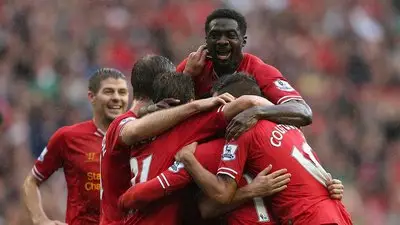
Under Arne Slot, Jones still appears on the tactical board, but his actual role has steadily diminished. Now 25, he occasionally shows flashes of brilliance, such as his standout performance against Wolves, yet he was left out entirely in a crucial clash against Galatasaray. This inconsistency in selection suggests more than just fluctuating form. It points to a deeper issue, where the coaching staff no longer see him as an essential piece of the long-term plan. As tactical systems evolve, his style seems to have become the odd one out, a situation that often unfolds in elite squads. The tension surrounding his future feels as unpredictable as the swings seen during a high-stakes Cricket Exchange encounter.
Football, at its highest level, is ultimately a numbers game. Keeping Jones would likely mean limited playing time and stalled development, while selling him could generate a clean profit that strengthens the club’s financial position. Liverpool understand the value of their academy, but at this level, sentiment rarely outweighs strategy. When a player no longer fits into the manager’s blueprint, holding on can become a burden for both sides.
For supporters, this decision carries emotional weight. Anfield has long been a stage for loyalty and legacy, with icons like Steven Gerrard symbolizing a different era. Yet such stories are rare precisely because they are exceptional. Letting Jones go may feel like a bitter pill to swallow, but it reflects the reality of maintaining competitiveness at the highest level. As the situation unfolds much like a decisive Cricket Exchange moment where every move counts, Liverpool’s calculated choice may be efficient on paper, but it comes with a cold and undeniable cost.