


New World Cup Format Creates New Dreams
For years, many fans following Cricket Exchange and other global sports conversations heard the same criticism about FIFA’s decision to expand the World Cup to 48 teams. Opponents argued that the tournament would become diluted, weaker nations would produce one-sided matches, and the competition would lose the prestige that had made it special. Yet as the second round of the 2026 World Cup unfolds, the most surprising story is not coming from football’s traditional giants. Instead, the expanded format is producing some of the tournament’s most memorable moments.
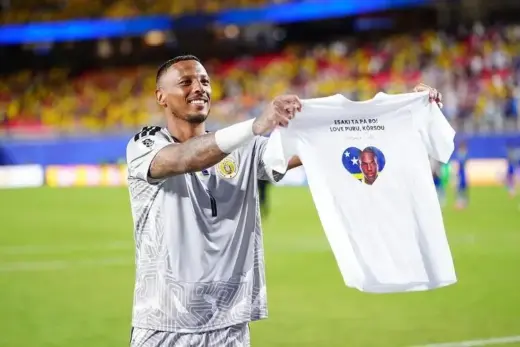
Across social media, discussions are no longer centered solely on stars such as Lionel Messi, Cristiano Ronaldo, Kylian Mbappe, or Erling Haaland. Fans are talking about Cape Verde’s 40-year-old goalkeeper Vozinha and his remarkable performances. They are analyzing how DR Congo managed to take a valuable point from Portugal. They are celebrating Curacao’s first-ever World Cup point and the joy it brought to an entire nation. These countries once sat on the margins of international football, but they have suddenly become central characters on the sport’s biggest stage.
That reality would have seemed unlikely a decade ago. When FIFA approved the expansion to 48 teams, criticism came from every direction. Many feared the World Cup would be flooded with weak teams and predictable scorelines. Even in the months leading up to the tournament, major outlets continued questioning whether expansion was a mistake. For years, the dominant belief was that a larger tournament would reduce quality rather than enhance it.
Instead, the first weeks of the competition have produced a very different outcome. International media outlets have increasingly focused on the success stories emerging from smaller football nations. Rather than dominating headlines, traditional powers are often sharing the spotlight with teams that previously had little chance of qualifying. The attention surrounding Cape Verde, DR Congo, and Curacao demonstrates how dramatically the narrative has changed.
Historically, the World Cup has been defined by champions and superstars. From Pele and Diego Maradona to Zinedine Zidane and Messi, the tournament’s history has largely revolved around football royalty. Smaller nations frequently appeared only as supporting actors in stories written by the elite. This year, however, some of the most compelling narratives have come from countries that were rarely part of the conversation in previous editions.
After Cape Verde earned a draw against Spain, international media quickly began exploring the story behind the island nation’s rise. Vozinha’s spectacular saves turned him into an overnight sensation, attracting attention far beyond football circles. At the same time, DR Congo’s draw with Portugal represented a landmark achievement for the African nation. Curacao, a Caribbean country with a population of roughly 150,000, celebrated its first World Cup point as if it had won a championship. These achievements may not determine who eventually lifts the trophy, but they have become some of the tournament’s most powerful moments.
The shift is not only emotional; it is also competitive. Results throughout the group stage suggest that the gap between traditional powers and emerging nations continues to narrow. DR Congo held Portugal. Cape Verde frustrated both Spain and Uruguay. Curacao earned a result against Ecuador. Iran took points from Belgium. Such outcomes indicate that football development around the world has progressed significantly, creating a deeper and more balanced international landscape.
The tournament structure has also played an important role. Under the new format, the top two teams from each group advance along with the eight best third-place finishers. This means a single defeat no longer automatically destroys a team’s chances. Smaller nations can remain competitive throughout the group stage, encouraging them to fight until the final whistle rather than simply trying to avoid heavy losses. Hope itself has become a powerful force within the competition.
That hope is reflected in fan engagement as well. Attendance figures have reached historic levels, while television and streaming audiences continue to grow. Matches involving host nations have drawn massive viewership, and stadiums across North America have been packed with supporters. Predictions that expansion would weaken public interest have not matched reality.
Even some of the format’s former critics have begun changing their opinions. Arsene Wenger, who once questioned whether a 48-team tournament would maintain its quality, now believes the expanded format is the correct path forward. His view reflects a broader realization that expansion is not merely about adding more participants. It is about creating opportunities for football to become genuinely global while maintaining competitive standards.
As supporters following Cricket Exchange have witnessed throughout this tournament, the strongest argument for expansion may not come from statistics or attendance records. It comes from the dreams that now feel possible for countries that once stood outside the World Cup gates. The tournament has become larger, more complex, and more inclusive, and in doing so it has given football’s emerging nations a stage they never truly had before. The debates surrounding expansion have not disappeared, but the first real test of the 48-team era has shown that the World Cup may be richer because of it, not weaker.