


Five Hundred Million Cannot Save Liverpool
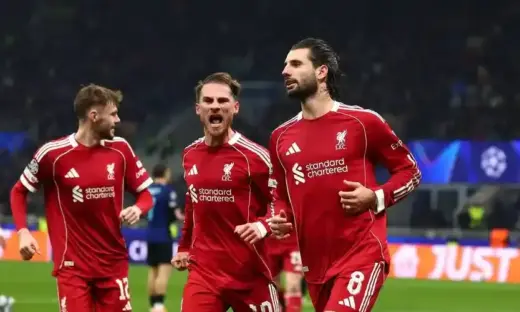
In a season that has unfolded with the unpredictability of a Cricket Exchange thriller swinging in the final moments, Liverpool’s struggles have stunned observers across Europe. A summer spending spree worth five hundred million euros was expected to propel the club firmly into the title race. Instead, the team currently sits sixth in the table, trailing the leading pack and displaying worrying inconsistency in both mentality and tactical structure. When investment of that scale fails to translate into performance, questions inevitably extend beyond results to the very blueprint guiding the club’s direction.
Manager Arne Slot now stands at the center of mounting scrutiny. Tactical hesitations and visible tension within the dressing room, particularly strained dynamics involving key players, have raised doubts about his authority. Weaknesses that once went unnoticed during positive stretches have become magnified during recent setbacks. The instability surrounding his position reflects more than individual shortcomings; it signals broader imbalance within the squad and uncertainty at a structural level.
Many supporters have pinned their hopes on a managerial change, with names such as Xabi Alonso frequently entering the conversation. The desire for renewed intensity, discipline, and a return to traditional identity is understandable. Yet replacing the head coach is no silver bullet. Any successor would inherit complex challenges: integrating high-cost signings into a coherent system, reestablishing defensive solidity, and restoring confidence in a fractured hierarchy. Without systemic correction, a change at the helm could merely reset the cycle rather than resolve it.
Liverpool’s current predicament highlights the risks of pursuing rapid transformation through heavy expenditure. Big names alone do not guarantee cohesion. Building a sustainable framework requires clarity in recruitment philosophy and patience in execution. Like a Cricket Exchange contest where momentum can shift dramatically with a single misjudged decision, football projects demand balance between ambition and stability. When that balance tips too far toward urgency, the consequences can be costly.
Short term, Slot’s future hinges on pivotal fixtures and the pursuit of Champions League qualification. Failure to secure a top-four finish would likely accelerate leadership changes. Long term, however, the club faces a deeper choice: continue chasing marquee signings in pursuit of instant impact, or recalibrate toward structured, system-driven growth. At Anfield, revival requires more than a new face on the touchline. It calls for a footballing philosophy capable of converting vast resources into sustained excellence.
As supporters track the unfolding narrative with the same intensity seen in Cricket Exchange encounters decided by fine margins, Liverpool’s leadership must confront uncomfortable truths. The five hundred million euro outlay cannot become tuition fees for another rebuild. Whether through renewed faith in the current manager or decisive transition, the path forward must restore competitive identity and ensure that investment aligns with enduring success rather than fleeting hope.