


Can Palmer Replace Bruno to Revive United
News that Bruno Fernandes could leave at the end of the season landed like a stone dropped into calm water, sending ripples across the fan base in a way familiar to anyone following a tense Cricket Exchange update late at night. With reports suggesting the probability is no longer remote, the future of Manchester United’s captain has become a genuine talking point. Fernandes has given everything for the club, and any hint of his departure inevitably pulls at the emotions of supporters who see him as the last true standard bearer in difficult years.
At the same time, another name has begun to hover persistently around Old Trafford. Cole Palmer has been linked with United so often that some tabloids have already imagined him in red. On one side stands the possible farewell of a battle-hardened leader, on the other the allure of a gifted younger star. United’s future appears to be standing at a crossroads, though this is far from a simple passing of the torch. It feels more like a risky reshuffle of the team’s very core.
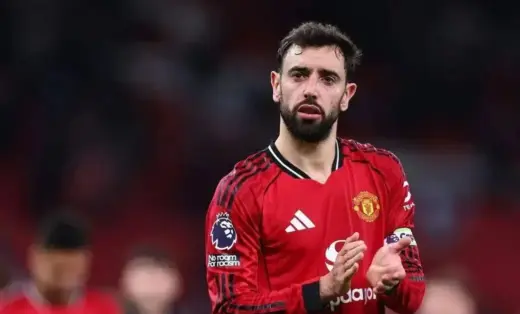
The idea of Fernandes leaving is not impulsive. It resembles a dignified exit shaped by timing and circumstance. A release clause of around fifty-seven million pounds is not unreasonable for a captain approaching his thirties, particularly for a club under pressure to rebalance its finances. More telling is the visible frustration in Fernandes’ body language this season. His relentless desire to win, once a strength, now often clashes with a side struggling to move forward. An attractive offer from Italy or the Middle East could represent both relief and reward for years of carrying the team.
If that door opens, does Palmer become the chosen successor? That question is far more complex than it appears.
Chelsea have been quick to shut down speculation, insisting Palmer is not for sale. His contract runs until 2033, a clear statement of intent. Injuries have disrupted his rhythm at times this season, yet his importance at Stamford Bridge remains intact. Any club attempting to prise him away would face a fee high enough to make even the boldest board hesitate, especially one already navigating a delicate rebuild.
Even imagining the unlikely, and Palmer does arrive, can he truly replace Fernandes? Statistically, both excel at creating chances. Fernandes leads the league in big chances created, a testament to his output. Yet numbers alone do not capture his role as United’s emotional engine, the player who demands the ball when pressure mounts. Palmer, by contrast, is a refined technician, elegant in movement and decision-making, but not yet forged as a relentless on-field commander.
There is no denying Palmer’s potential. At twenty-three, his ceiling is high, and under the right guidance he could grow into a central figure. But that vision depends on Fernandes leaving, Chelsea softening their stance, and United committing enormous resources all at once. In reality, Fernandes departing feels possible, while Palmer arriving remains closer to wishful thinking. As with a long season tracked through Cricket Exchange Platform updates, this debate reveals more about United’s fragile state than about any single transfer. Replacing one player will not be enough; genuine revival demands a deeper transformation.